
What Is a Combi Boiler? How It Works in Irish Homes
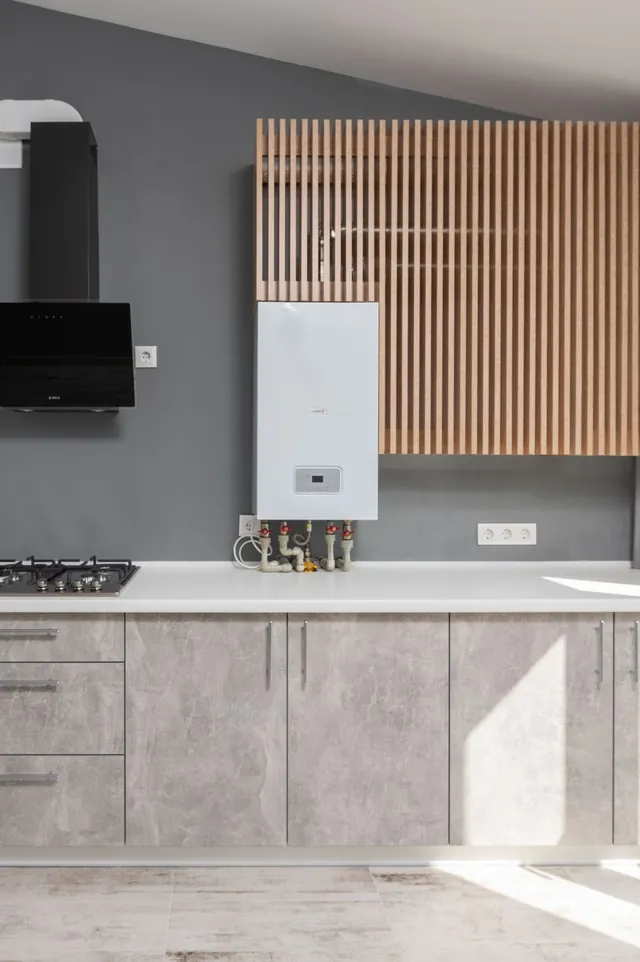
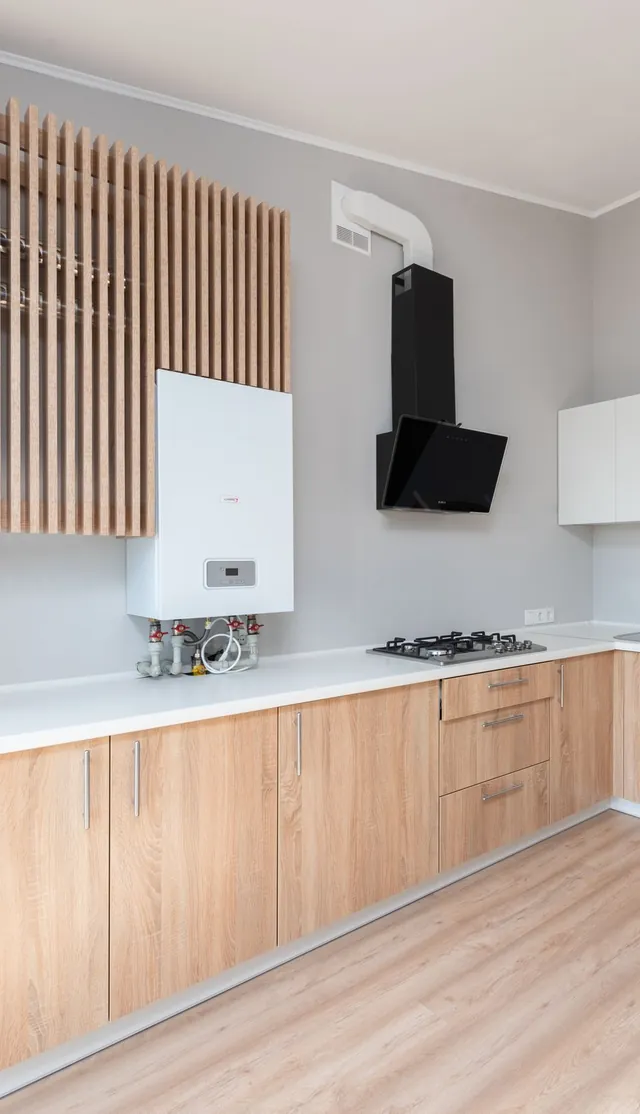
A combi (combination) boiler is a single compact unit that heats both your central heating radiators and your hot tap water directly from the cold mains on demand. Because water is heated the instant you open a tap, a combi boiler needs no cold water storage tank in the attic and no hot water cylinder in the hot press.
Free, no obligation. Nothing is booked until you agree the price.
How a combi boiler heats tap water on demand
In a traditional Irish house, the boiler heats a coil inside a copper cylinder in the hot press, which is fed by gravity from a large plastic cold tank in the attic. A combi boiler replaces both tanks with one wall-hung appliance:
- Direct mains cold feed: Cold drinking water enters the boiler straight from the Irish Water mains at full street pressure.
- Instant plate heat exchanger: The moment you open a hot tap or mixer shower, an internal diverter valve redirects the burner's heat into a compact stainless steel plate heat exchanger, warming the moving water in seconds.
- Unlimited hot water, zero standby waste: Hot water never runs out during back-to-back showers, and you stop paying to keep a 140-litre tank hot all day when nobody is home.
- Mains-pressure showers without a pump: Because your hot and cold feeds run at balanced mains pressure, you can ditch noisy booster pumps sitting in the hot press.
1-bath vs 2 to 3-bath Irish semis (simultaneous shower check)
Combi boilers have one physical limit every Irish family should check before converting: total hot water flow is shared across every hot tap open at the same instant.
- 1-bathroom apartments, terraces & 3-bed semis: A 28kW to 30kW combi (11 to 13 L/min) is an ideal match. You get a crisp mains-pressure shower and instant kitchen hot water without ever switching on an immersion heater.
- 2-bathroom & 3-bathroom family homes: Opening two hot mixer showers at the same time splits 12 L/min down to 6 L/min each, leaving both showers weak. Two easy solutions work well in Irish semis: keep an independent electric shower (e.g. Mira or Triton) in the en-suite while the combi runs the main bathroom, or install a system boiler with an unvented cylinder instead.
Freeing up the hot press and attic for an attic conversion
Space is the biggest practical reason Irish homeowners convert to a combi. Removing the copper cylinder turns the hot press into a full linen wardrobe or gives you extra room to enlarge a cramped landing bathroom. Clearing both the big cold water tank and the small feed-and-expansion tank out of the attic also frees up roof trusses and headroom when planning an attic conversion or dormer stairs.
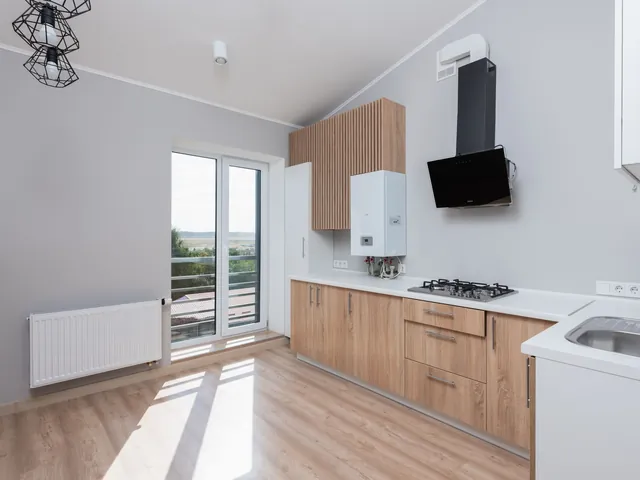
Combi boiler vs normal (system & regular) boilers
Quick comparison of how each boiler type handles tanks, cylinders, showers, and 2026 Irish installation costs (incl. 13.5% VAT).
| Feature | Combi boiler | System boiler | Regular (open-vented) |
|---|---|---|---|
| Attic cold water tank? | No (removed) | Usually no (sealed) | Yes (cold + F&E tanks) |
| Hot-press cylinder? | No (removed) | Yes (pressurised cylinder) | Yes (vented copper cylinder) |
| Two showers at once? | Flow drops unless 2nd shower is electric | Strong across 2 to 3 showers | Depends on pump & cylinder size |
| Hot water availability | Instant & unlimited (1 tap at a time) | Stored (20-40 min reheat if emptied) | Stored (30-45 min reheat + immersion) |
| 2026 Irish fitted cost | €2,150 - €3,990 swap (€3,100 - €6,500 conversion) | €1,895 - €4,900 swap | €2,300 - €4,450 swap |
Gas combis must be fitted by an RGII Registered Gas Installer (Cert 2 issued); oil combis are commissioned by an OFTEC technician. There is no SEAI grant for standalone gas or oil boilers in 2026, though eligible pre-2011 homes can claim the €700 SEAI Heating Controls grant when adding zoned smart controls.
Three checks before switching your Irish home to a combi
- Mains water pressure & flow: Ask your installer to measure flow at the kitchen tap. You want at least 1.5 bar and 12 L/min so a 28 to 35kW combi runs properly.
- Gas pipe size: Combis need higher peak gas input than old 15kW regular boilers, so your RGII installer checks whether the pipe from the gas meter needs upgrading to 22mm copper.
- Future heat pump plans: If you plan to switch to an air-to-water heat pump within 3 to 5 years using SEAI grants (up to €14,500), remember a heat pump requires a hot water cylinder, so keeping your hot-press cylinder with a system boiler can save rework later.
Ready to check figures? Read our converting to a combi guide, combi pros and cons, or compare Ideal, Viessmann, Baxi and Worcester combis.
Get a price for a combi boiler
Three taps about your heating. One installer who covers your county rings you with a fixed price.
Frequently asked questions
Does a combi boiler need a water tank in the attic or a hot-press cylinder?
No. A combi boiler heats water straight from the incoming cold mains as soon as you turn on a hot tap, so both the attic cold storage tank and the hot-press copper cylinder are removed. That frees up hot-press storage and clears attic headroom for conversions.
What is the difference between a combi boiler and a normal boiler?
A normal (regular or system) boiler heats radiators and stores hot water in a separate hot-press cylinder for later use. A combi boiler combines central heating and instantaneous hot water in a single wall-hung box with no cylinder or attic tanks.
Can a combi boiler run two showers at once in an Irish 3-bed semi?
Running two mixer showers directly off a standard 30kW combi splits the 12 L/min flow between both outlets, making both feel weak. If your 3-bed semi has an en-suite, either keep an independent electric shower in the second bathroom or choose a system boiler with a pressurised cylinder.
Does a combi boiler save money on gas bills in Ireland?
Yes, typically 15% to 25% when replacing an older non-condensing regular boiler and poorly insulated cylinder. Modern A-rated condensing combis exceed 90% seasonal efficiency and eliminate daily heat losses from storing hot water you do not use.
Who is allowed to install a combi boiler in Ireland?
By law in Ireland, only a Registered Gas Installer (RGII) can install or commission a gas or LPG combi boiler and issue a Cert 2 Declaration of Conformance. Oil combi boilers should be fitted and commissioned by an OFTEC-registered oil technician.
Next steps for choosing a combi
Compare sizes, conversion costs and leading Irish combi brands.
Every guide, calculator and county page
Jump straight to any specification guide, our interactive calculator, the technical glossary or your county page.
Price & Specification Guides
- Gas combi boilers
- Oil combi boilers
- Electric combi boilers
- Combi boiler makes
- Converting to a combi
- Combi boiler prices
- What size combi?
- Combi or system?
- Pros and cons
- Combi boiler grants
- Oil combi boiler Ireland (Grant & Firebird)
- Electric combi boiler Ireland
- Ideal, Viessmann, Baxi & Worcester combis
- What is a combi boiler?
- Oil combi boiler Ireland (Grant & Firebird)
Electric combi boiler Ireland
Ideal, Viessmann, Baxi & Worcester combis
What is a combi boiler?
All guides - FAQ
- Glossary
Calculator, FAQ & Glossary
All 26 Counties
Get a price for a combi boiler
One registered engineer rings you. Free, no obligation.